EN



EPM Insulation Compound for Medium Voltage Cable | Continuous 150°C Rating
Material: EPM
Hardness: 30A-95A
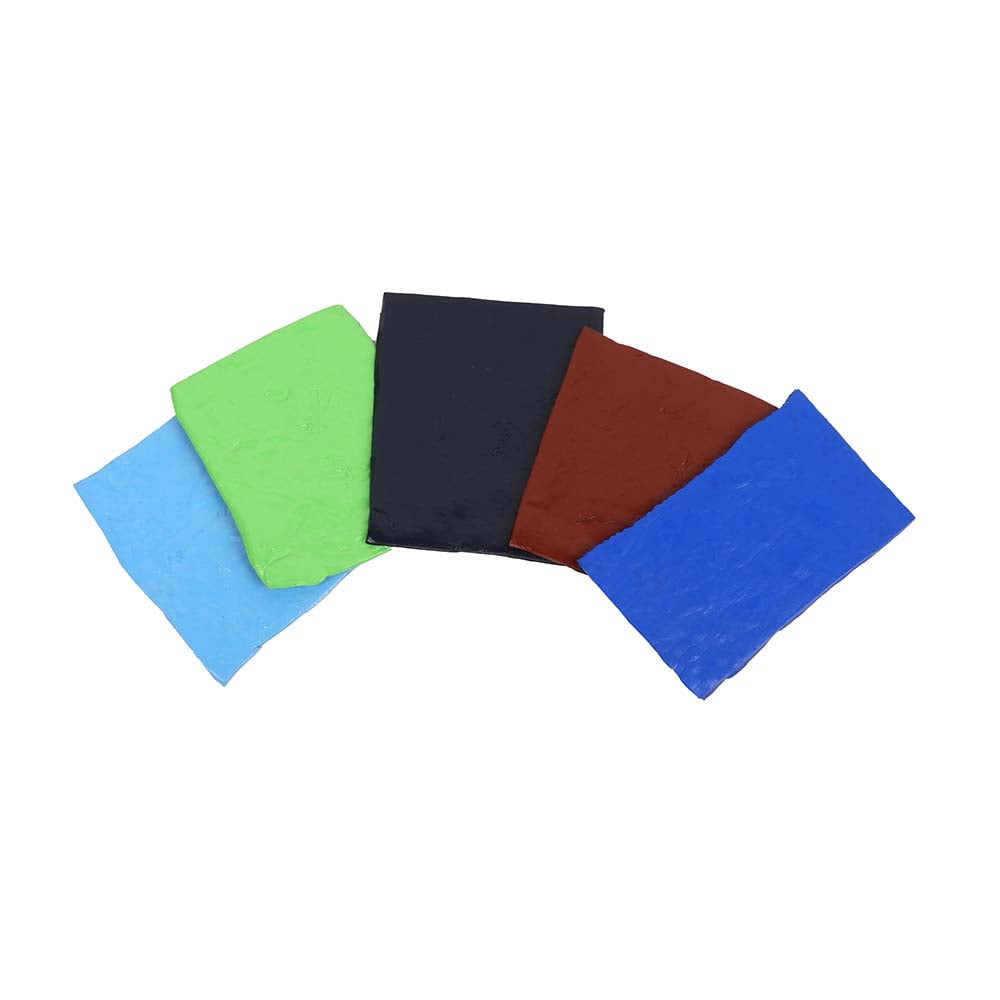
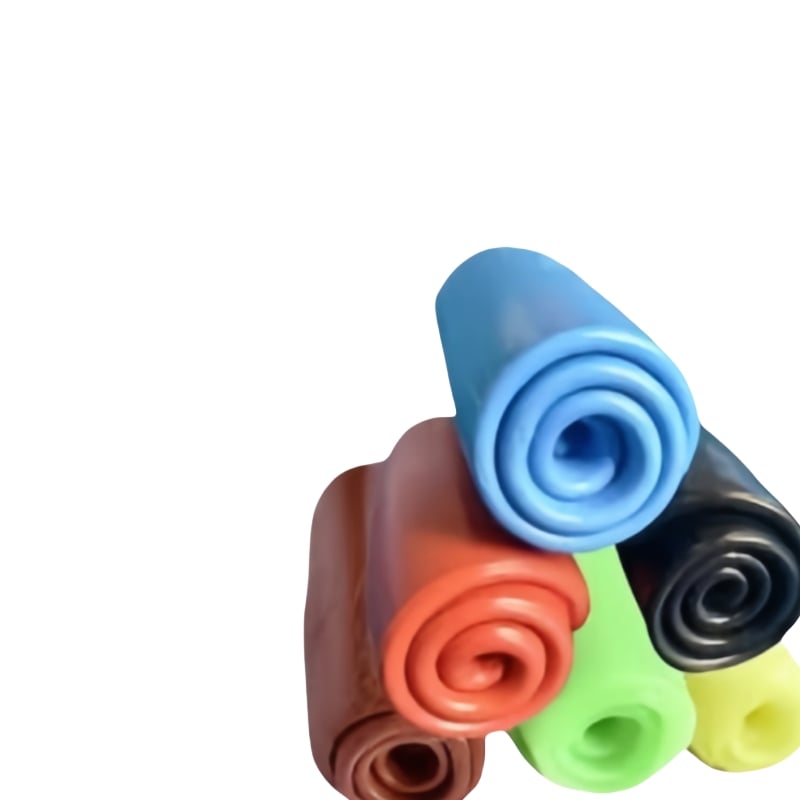
Color: Customizable
Typical applications: Steam hoses, cable insulation, food-grade gaskets, brake fluid seals
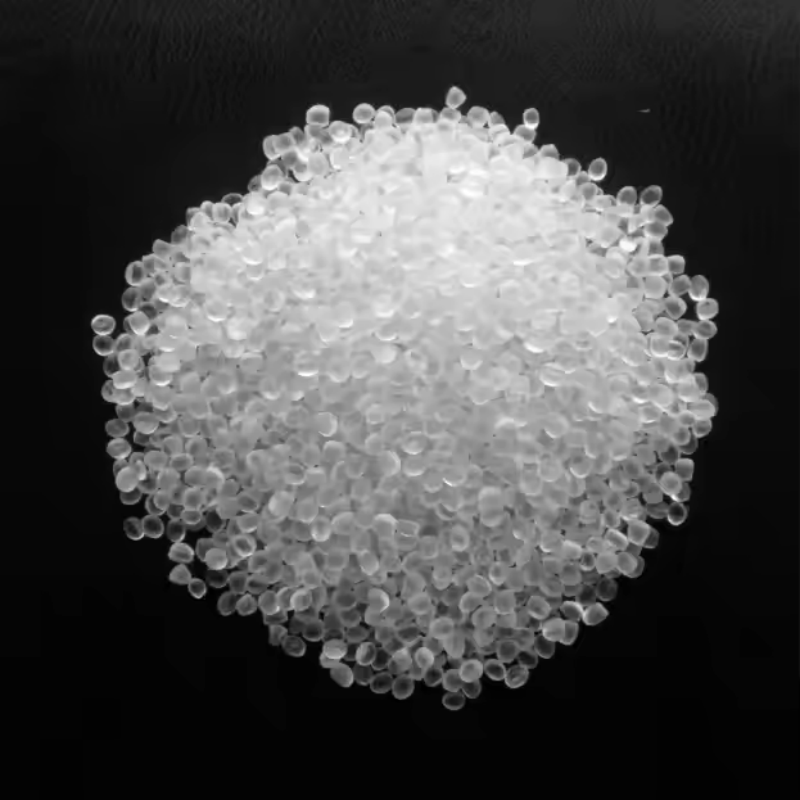
Note: We only supply rubber compounds (customizable in hardness, color, and formulation).
- Description
- Applications
- Specifications
- Advantage
- FAQ
- Recommended Products
Description
EPM is a fully saturated backbone polymer, which gives it excellent weatherability, ozone resistance, and heat aging resistance. Unlike EPDM, the molecular chain of EPM contains no double bonds, so it cannot be sulfur-cured and is typically cured with peroxides. This structure provides EPM with extremely high thermal stability and excellent electrical insulation properties. Furthermore, due to the stability of its chemical structure, EPM has outstanding resistance to polar fluids and is easy to process into light-colored or brightly colored products.
Applications
Automotive industry: Brake system seals (brake fluid resistant), cooling system hoses.
Wire and cable: High-voltage cable insulation, heat-resistant cable sheathing.
Industrial sector: Steam hoses, hot water seals, food-grade gaskets
Specifications
|
Common Name |
Ethylene Propylene Rubber |
|
Hardness(SHA) |
30A~90A |
|
ASTM D-2000 Classification |
CA |
|
Tensile(Mpa) |
10 ~ 20 |
|
Elongation at Break(%) |
200 ~ 500 |
|
Compression Set(%) |
< 15 |
|
Temperature Range |
-60℃~+150℃ |
|
Specific Gravity(g/cm³) |
0.85 ~ 0.95 |
|
Resistances |
Excellent resilience |
|
|
Excellent alkali resistance |
|
|
Excellent mechanical strength |
|
|
Good electrical insulation property |
|
Curing Systems |
Peroxide |
|
Production process |
Molding |
|
|
Extrusion |
|
Formula & color |
Custom |
|
Shelf Life |
5–7 days with accelerator, 1 -2years without accelerator. |
|
Storage conditions |
Store in a cool, dry place. After opening, seal tightly to prevent moisture absorption and loss of active ingredients |
Advantage
1.Extreme heat and aging resistance: Offers top-tier ozone, UV, and heat aging resistance among rubbers, remaining stable even when operating continuously above 150°C.
2.Excellent resistance to polar fluids: Highly resistant to high-pressure steam, ethylene glycolanti freeze, and brake fluid (DOT standards).
3.Superior electrical insulation: Extremely high dielectric strength with minimal influence fromhumidity and frequency.
4.Low density (lightweight): Specific gravity is only about 0.86.
5.Good color stability: Contains no double bonds, so it does not discolor easily.
FAQ
Q: Do you sell finished products or raw materials?
A: We only supply rubber compounds, not finished products. You can choose hardness, color, and formulation based on your product needs. We mix to order and deliver.
Q: What rubber types can you handle?
A: Common types include NR, SBR, BR, NBR, EPDM, CR, silicone rubber, fluororubber, etc., subject to actual capability.
Q: Are hardness and formulation linked?
A: No. The same hardness can be achieved with different formulations. The difference lies in tensile strength, tear resistance, compression set, oil resistance, aging resistance, etc. Tell us your application and we’ll recommend the right system.
Q: Can you compound to the customer’s formula?
A: Yes. We support toll processing with customer-supplied materials or mixing to a customer-specified formula. We can also recommend a formula based on performance requirements.
Q: How do you ensure batch-to-batch consistency?
A: Through raw material batch control, fixed mixing process parameters, and sampling tests (hardness, specific gravity, Mooney viscosity, etc.).