EN
EN


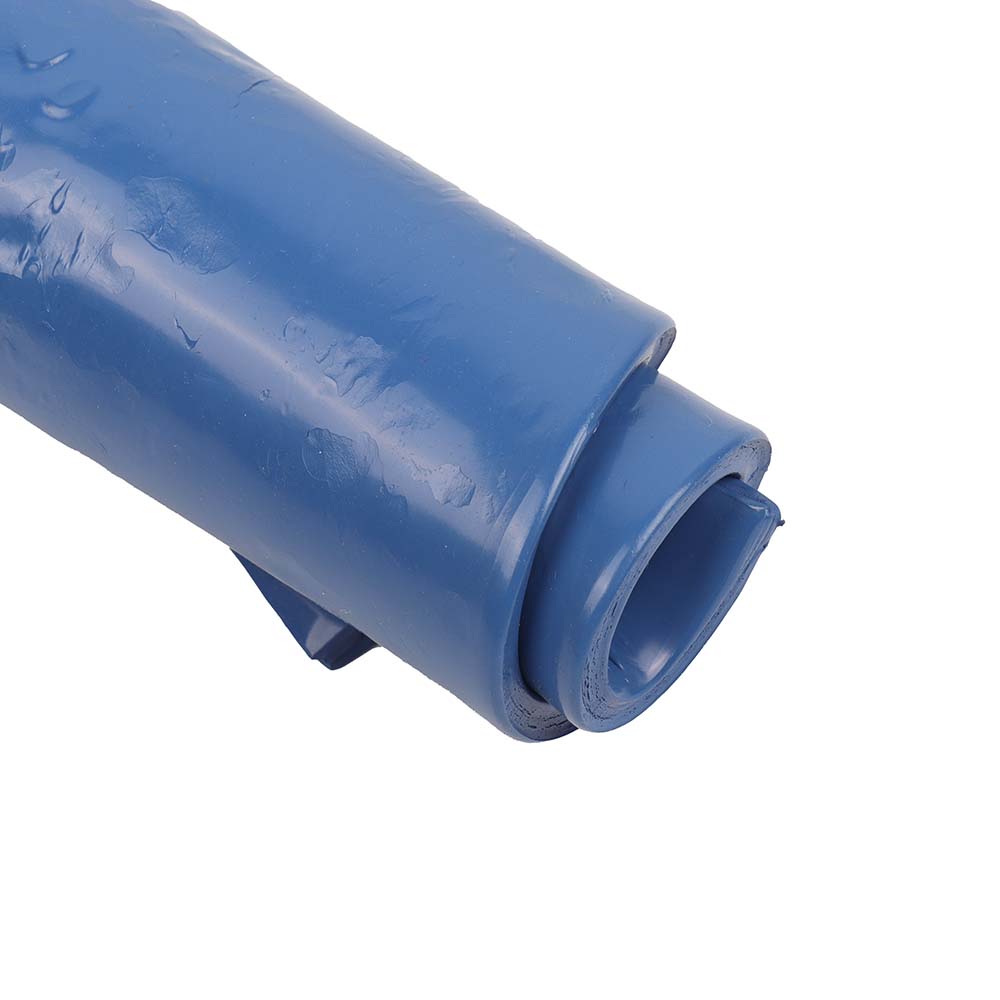
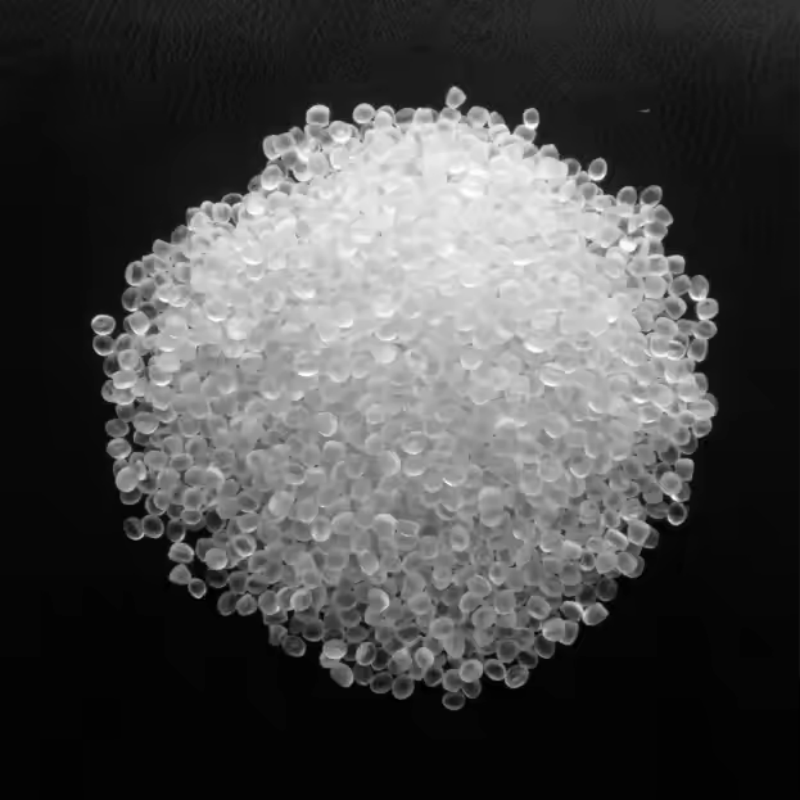
CIIR Chlorobutyl Rubber Compound for Flexible Seals & Underwater Applications
Material :CIIR
Hardness: SHA 40A-80A
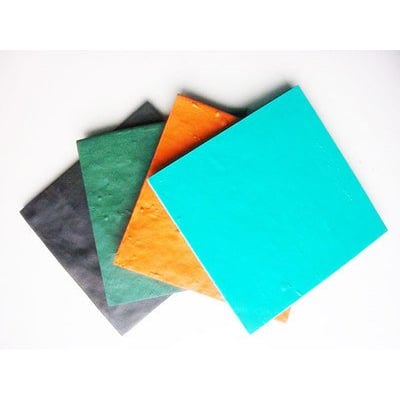
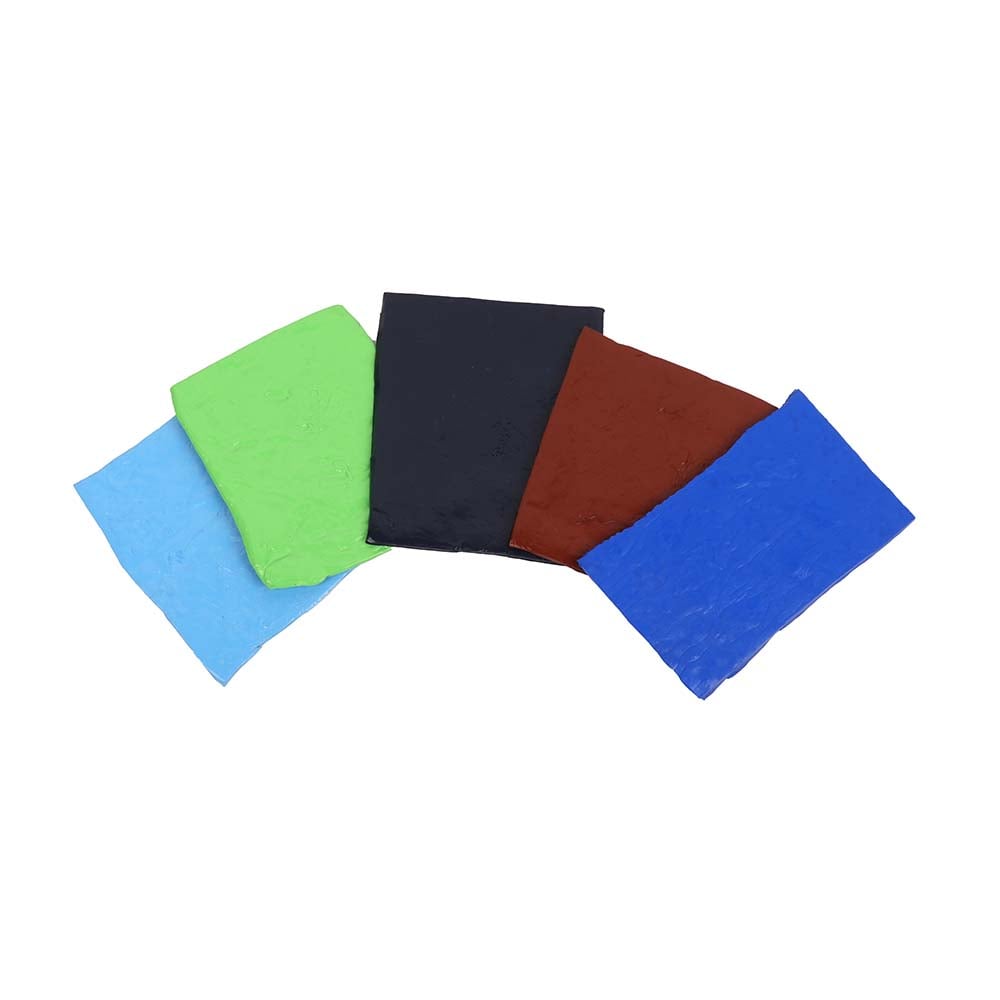
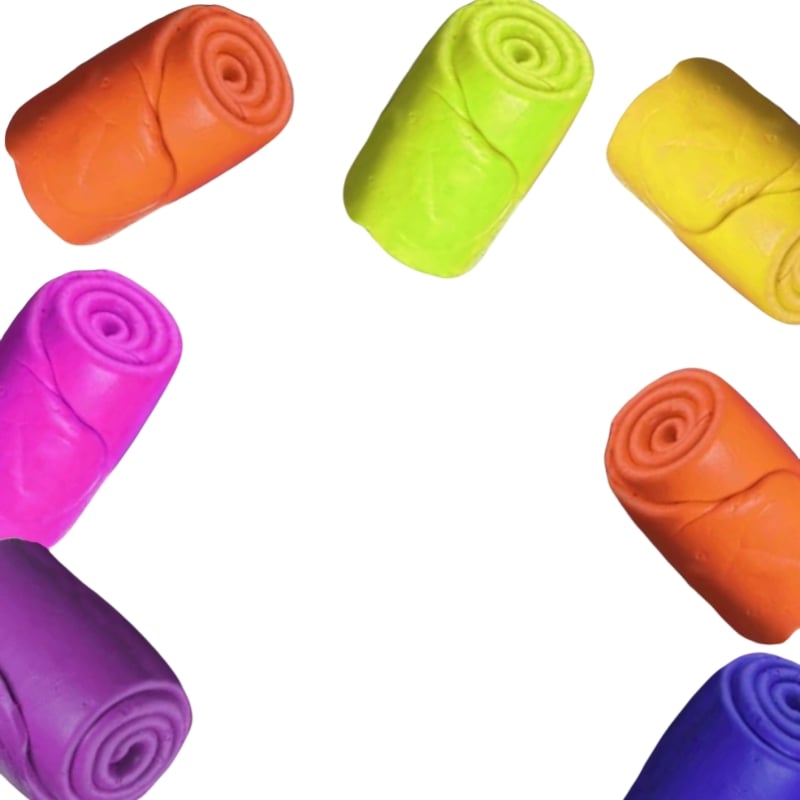
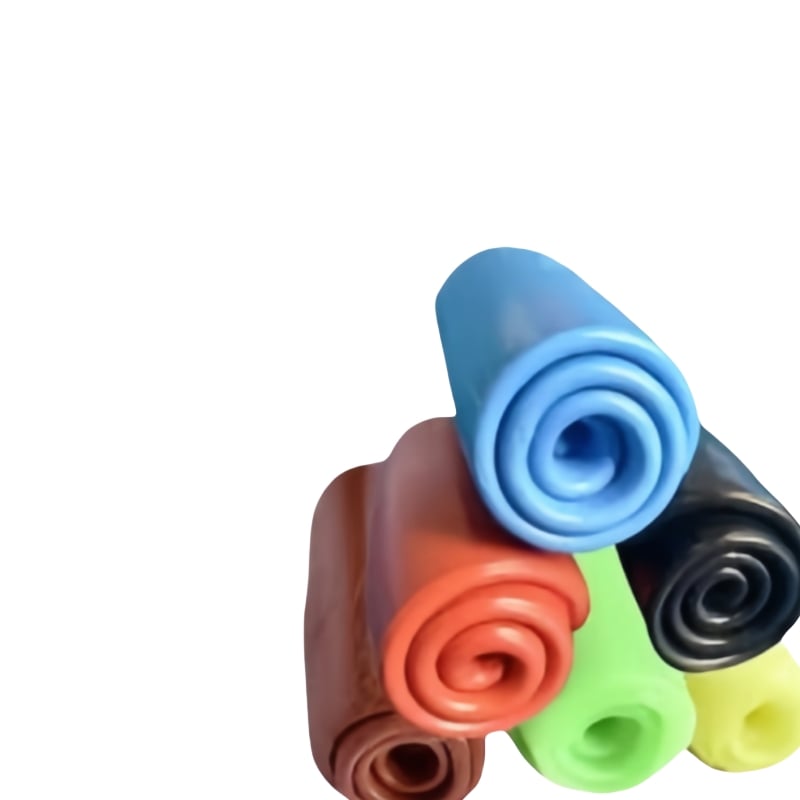
Color: Customizable
Operating temperature :-60℃ to +130 ℃
Typical applications: Medical stoppers, underwater cable sheaths, heat-resistant conveyor belts
Note: We only supply rubber compounds (customizable in hardness, color, and formulation).
- Description
- Applications
- Specifications
- Advantage
- FAQ
- Recommended Products
Description
CIIR (chlorinated butyl rubber) is the second largest modified variety of IIR, introducing active chlorine atoms into the main chain of butyl rubber through chlorination. Similar to BIIR, CIIR retains the core advantages of IIR, such as excellent air tightness, high damping, aging resistance, and chemical corrosion resistance, while significantly enhancing the vulcanization speed and usage flexibility. In addition, CIIR demonstrates a more stable tolerance to underwater environments than BIIR, making it particularly suitable for sealing products in Marine engineering and humid conditions.
Applications
Medical rubber stoppers and seals
Underwater seals for Marine engineering
Heat-resistant and chemical-resistant conveyor belts
High-damping bridge bearings
Specifications
|
Common Name |
Chloro Isobutylene Isoprene Rubber |
|
Hardness(SHA) |
40A~80A |
|
ASTM D-2000 Classification |
BA |
|
Tensile(Mpa) |
8~18 |
|
Elongation at Break(%) |
400~800 |
|
Compression Set(%) |
≤35 |
|
Temperature Range |
-60℃~+130℃ |
|
Specific Gravity(g/cm³) |
1.15~1.35 |
|
Resistances |
Excellent chemical resistance |
|
|
Excellent flex resistance |
|
|
Good shock absorption and heat resistance |
|
|
Superior weather resistance |
|
Curing Systems |
Sulfur and Peroxide |
|
Production process |
Molding |
|
|
Extrusion |
|
Formula & color |
Custom |
|
Shelf Life |
5-7 days with accelerator, 1-2 years without accelerator |
|
Storage conditions |
Store in cool and dry place. Seal tightly after opening to prevent moisture absorption and active ingredient deterioration. |
Advantage
High reactivity: After chlorination, it can be rapidly blended and co-vulcanized with general-purpose rubbers such as NR, SBR, and CR
Outstanding underwater performance: Resistant to hydrolysis and flex, suitable for water medium environments such as underwater cables, submarine pipelines and Marine seals
Environment
FAQ
Q: Do you sell finished products or raw materials?
A: We only supply rubber compounds, not finished products. You can choose hardness, color, and formulation based on your product needs. We mix to order and deliver.
Q: What rubber types can you handle?
A: Common types include NR, SBR, BR, NBR, EPDM, CR, silicone rubber, fluororubber, etc., subject to actual capability.
Q: Are hardness and formulation linked?
A: No. The same hardness can be achieved with different formulations. The difference lies in tensile strength, tear resistance, compression set, oil resistance, aging resistance, etc. Tell us your application and we’ll recommend the right system.
Q: Can you compound to the customer’s formula?
A: Yes. We support toll processing with customer-supplied materials or mixing to a customer-specified formula. We can also recommend a formula based on performance requirements.
Q: How do you ensure batch-to-batch consistency?
A: Through raw material batch control, fixed mixing process parameters, and sampling tests (hardness, specific gravity, Mooney viscosity, etc.).