EN



TPE Thermoplastic Elastomer for Overmolding and Soft-Touch Grips
Material: TPE
Hardness: 30A-90A Shore A
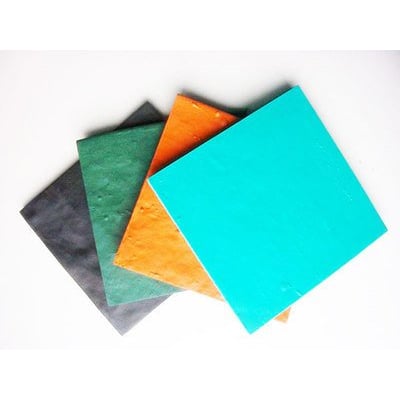
Color: Customizable
Operating temperature: -50°C to +100°C
Typical applications: Overmolding for handles, sealing rings, wire and cable products
Note: We only supply rubber compounds (customizable in hardness, color, and formulation). We do not manufacture or sell any finished rubber products. After receiving the compound, customers may carry out downstream processes such as molding and curing themselves or through a third party.
- Description
- Applications
- Specifications
- FAQ
- Recommended Products
Description
TPE combines the flexibility of rubber with the thermoplastic processability of plastics, requiringno vulcanization. lt can be injection molded and extruded, and scrap material can be reused
Applications
High-end, highly transparent toys
Medical devices
Sports equipment and sealing rings
Wire and cable products
Specifications
|
Common Name |
Thermoplastic Elastomer Rubber Compound |
|
Hardness(SHA) |
30A~90A |
|
Tensile(Mpa) |
3~15 |
|
Elongation at Break(%) |
400~700 |
|
Temperature Range |
-50℃~+100℃ |
|
Specific Gravity(g/cm³) |
0.9~1.2 |
|
Resistances |
Good chemical resistance |
|
Good UV resistance |
|
|
Excellent weather resistance and fatigue resistance |
|
|
Superior colorability and soft touch feeling |
|
|
Production process |
Extrusion |
|
Formula & color |
Custom |
|
Form |
Granules /Powder |
|
Shelf Life |
With accelerator: 7–10 days; without accelerator: 1-2 years. |
|
Storage conditions |
Store in a cool, dry place. After opening, seal tightly to prevent moisture absorption and loss of active ingredients. |
FAQ
Q: Do you sell finished products or raw materials?
A: We only supply rubber compounds, not finished products. You can choose hardness, color, and formulation based on your product needs. We mix to order and deliver.
Q: What rubber types can you handle?
A: Common types include NR, SBR, BR, NBR, EPDM, CR, silicone rubber, fluororubber, etc., subject to actual capability.
Q: Are hardness and formulation linked?
A: No. The same hardness can be achieved with different formulations. The difference lies in tensile strength, tear resistance, compression set, oil resistance, aging resistance, etc. Tell us your application and we’ll recommend the right system.
Q: Can you compound to the customer’s formula?
A: Yes. We support toll processing with customer-supplied materials or mixing to a customer-specified formula. We can also recommend a formula based on performance requirements.
Q: How do you ensure batch-to-batch consistency?
A: Through raw material batch control, fixed mixing process parameters, and sampling tests (hardness, specific gravity, Mooney viscosity, etc.).