 EN
EN

Etilen-propilen kauçuku, adətən EPR olaraq adlandırılan bu kauçuk növü, gündəlik gördüyümüz bir çox məhsulda istifadə olunan xüsusi bir kauçuk növüdür. Bu, etilen və propilen olmaqla iki növ molekulun birləşməsindən alınır. Bu birləşmə EPR-ə bəzi unikal xüsusiyyətlər verir. Məsələn, o, çox elastikdir və müxtəlif temperatur şəraitinə dözə bilir. Həmçinin su və kimyəvi maddələrə qarşı davamlıdır ki, bu da onu avtomobil, tikinti və elektrik sənayesi kimi sahələrdə ən çox seçilən materiallardan birinə çevirir. WINBEST şirkəti müxtəlif layihələrin tələblərini ödəyən yüksək keyfiyyətli EPR məhsulları təqdim etməkdən hörmət duyur. Gəlin EPR-nin sənaye sahələrində niyə üstünlük verildiyini və ehtiyaclarınız üçün doğru növün necə seçildiyini daha ətraflı nəzərdən keçirək.
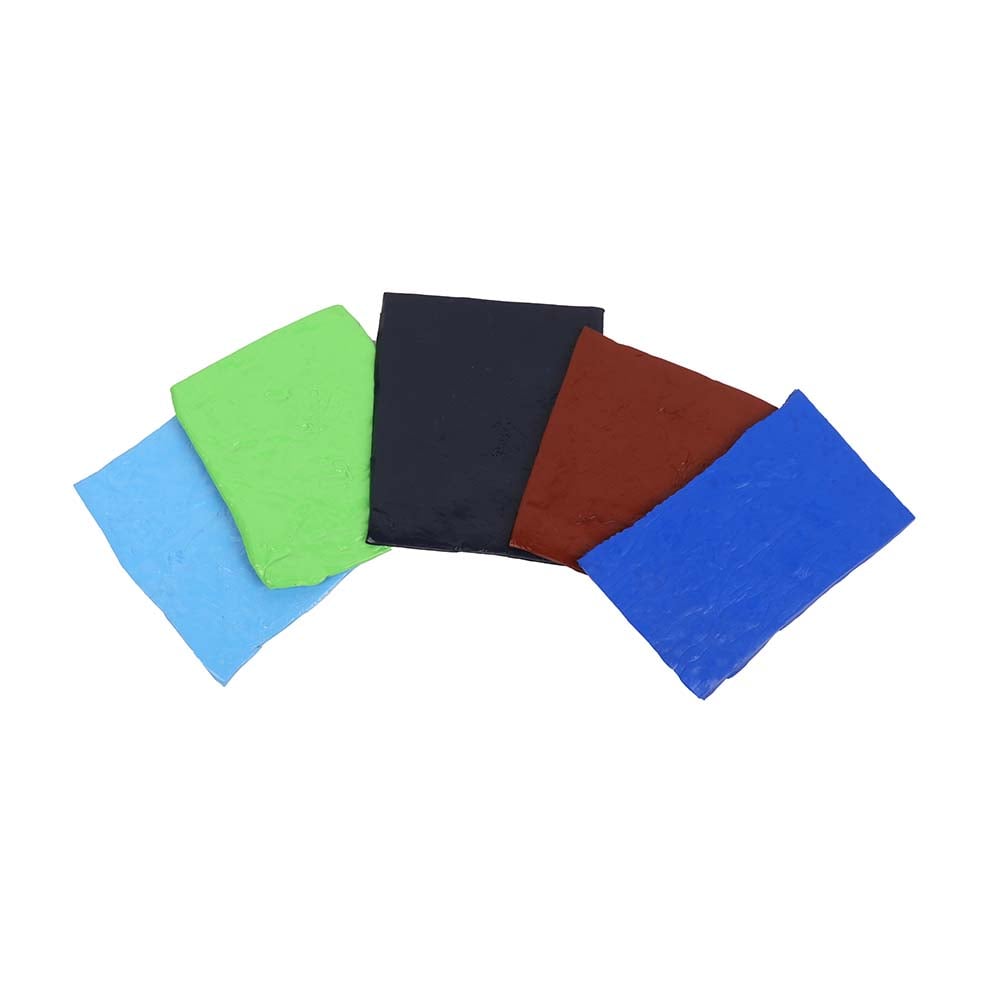
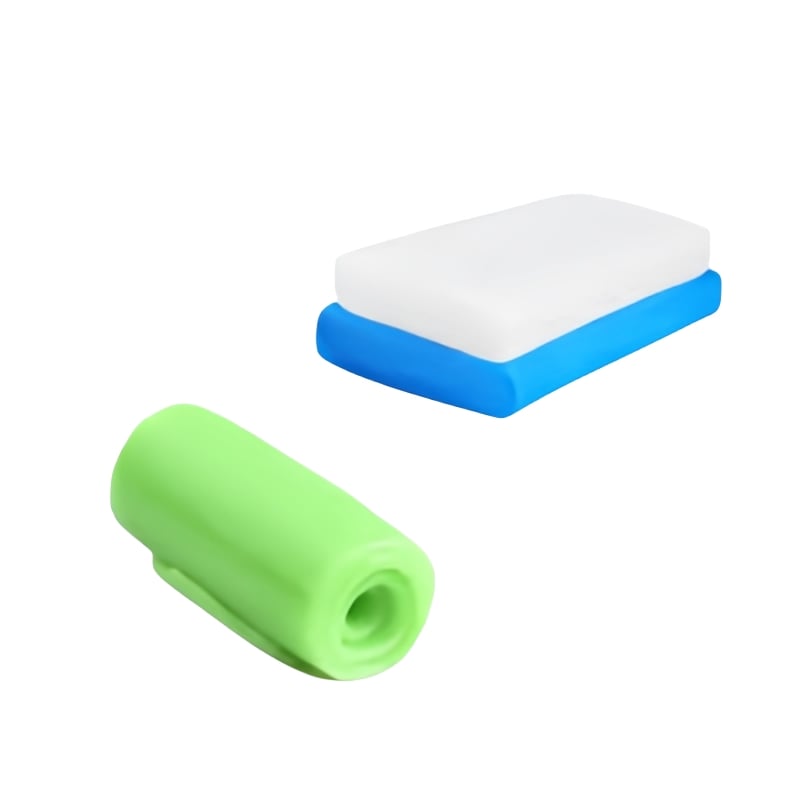
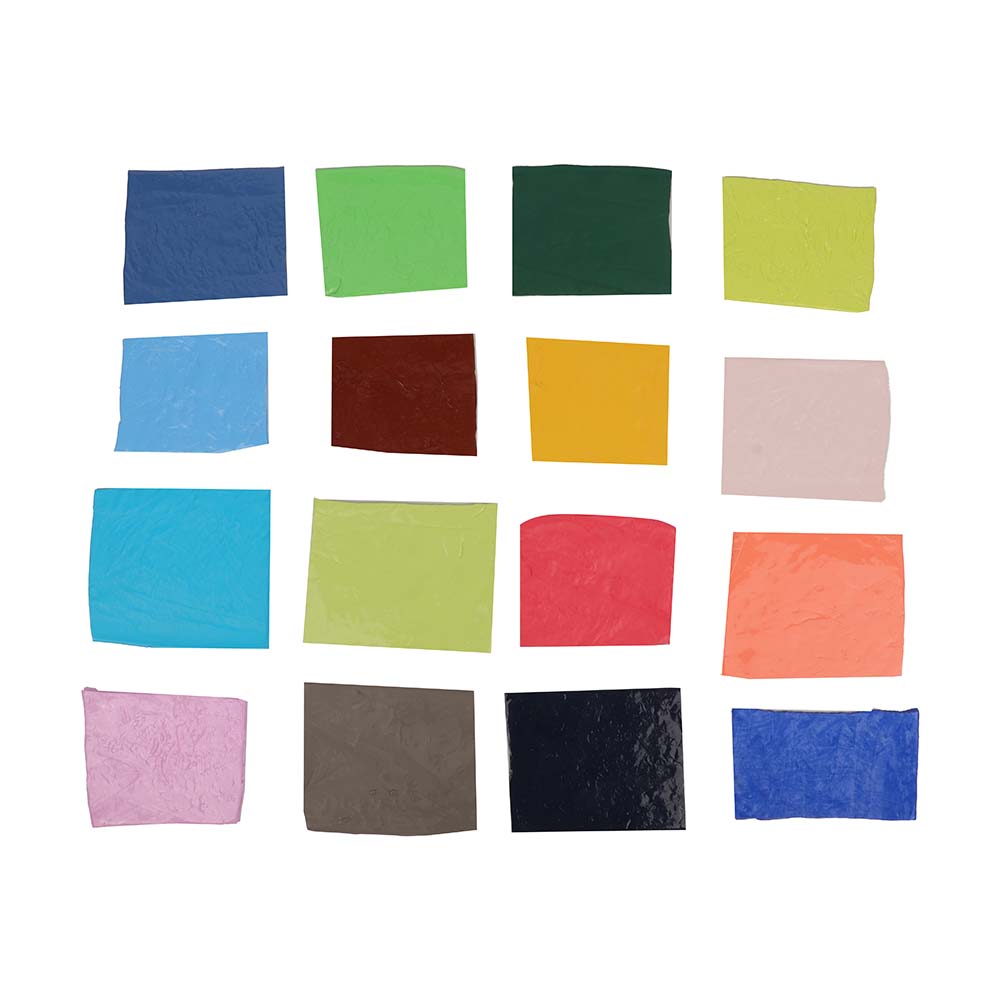
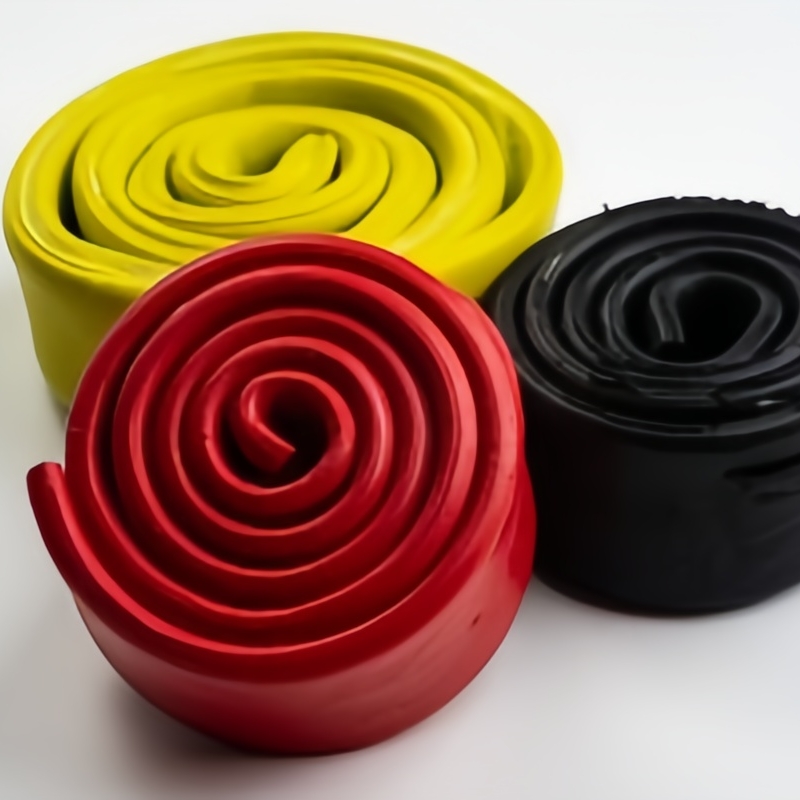
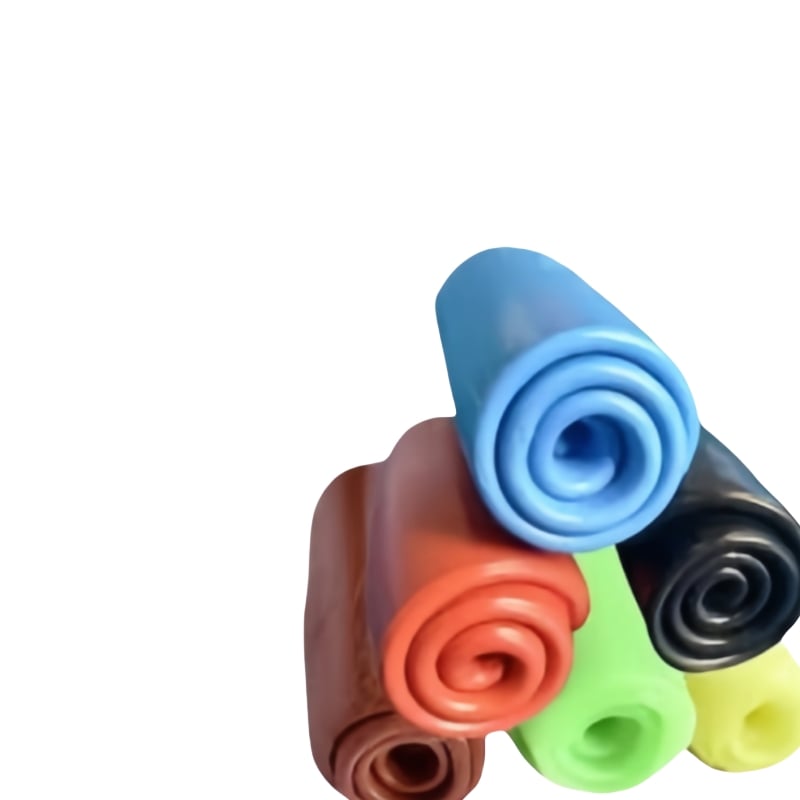
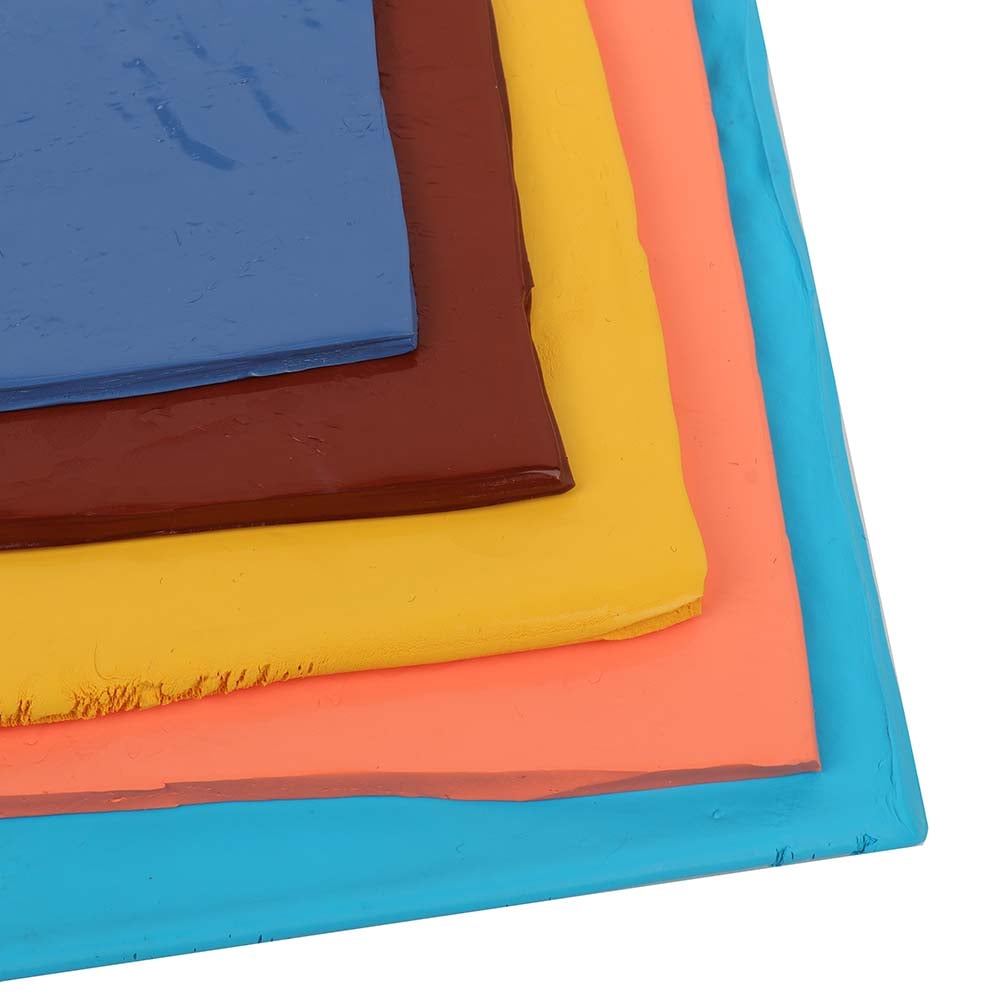
Layihə ehtiyaclarınız üçün doğru etilen-propilen kauçuğunu necə seçmək olar
Layihəniz üçün doğru etilen-propilen kauçuku seçmək çətin görünə bilər, lakin bu belə olmamalıdır. Əvvəlcə kauçukdan nə gözlədiyinizi düşünün. Kimyəvi maddələrə qarşı davamlılıq mı, yoxsa elastiklik mi daha vacibdir? Məsələn, avtomobil mühərrikinin sıxlama elementlərini hazırlayırsınızsa, isti və yağlara qarşı yüksək davamlılığa malik EPR növü seçmək istəyə bilərsiniz. Növbəti addım – kauçukun məruz qaldığı temperatur aralığını nəzərdə tutmaqdır. Bəzi EPR növləri isti mühit üçün, digərləri isə soyuq şəraitdə daha yaxşı işləyir. Həmçinin lazım olan kauçuk miqdarını da nəzərə almalısınız. Bəzi layihələr qalın kauçuk tələb edə bilər, başqaları isə daha incə materiallarla kifayətlənə bilər. WINBEST müxtəlif tələblərə uyğun bir sıra EPR növləri təklif edir; beləliklə, tam olaraq axtardığınız məhsulu tapa bilərsiniz. Son olaraq, kauçukun təhlükəsizlik və ekoloji standartlara uyğunluğunu yoxlamağı unutmayın. Bu xüsusiyyət xüsusilə layihəniz ictimai sahələr üçün nəzərdə tutulubsa və ya qida və içkilərlə əlaqəli olduqda çox vacibdir. Bu addımları izləyərək layihəniz üçün doğru etilen-propilen kauçukunu seçərək onun uğurlu və təhlükəsiz olmasını təmin edə bilərsiniz. Qida ilə təmasda istifadə olunacaq materialları seçirsinizsə, həmçinin aşağıdakıları nəzərdən keçirmək istəyə bilərsiniz: Tibbi və qida ilə təmas üçün SEBS kauçuk kompoundu .